
Predictive Forecasting for E-commerce Infrastructure in 2026
In 2026, the specific go-to-market requirements of the E-commerce Infrastructure sector demand a specialized approach to Predictive Forecasting. Generalist CRMs and isolated tools are no longer sufficient to handle the complex buying cycles and signal volume inherent to E-commerce Infrastructure.
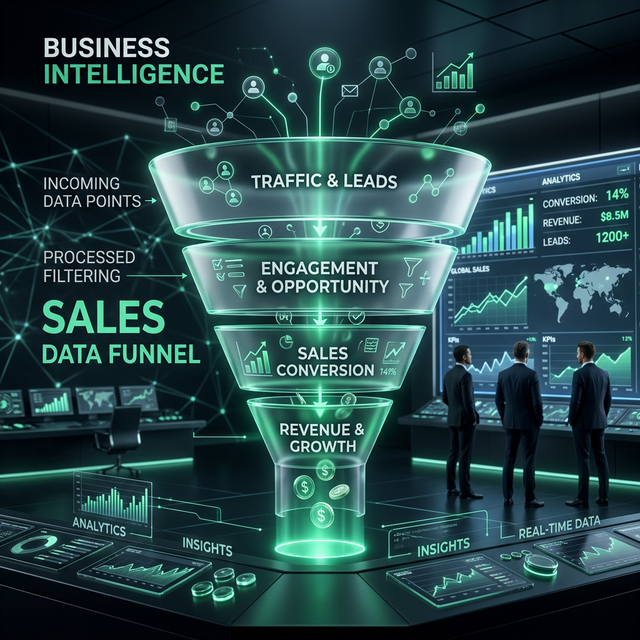
The Strategic Necessity of Predictive Forecasting in E-commerce Infrastructure
Implementing a unified architecture allows E-commerce Infrastructure revenue leaders to transition from tactical reactivity to strategic anticipation. By adopting Predictive Forecasting, organizations can accurately map the entire customer journey, capturing buying intent signals before competitors do.
Overcoming Industry-Specific GTM Friction
Every vertical faces unique friction points. For E-commerce Infrastructure, the primary challenge lies in standardizing fragmented data from legacy systems. A robust Predictive Forecasting framework normalizes these inputs into a single source of truth, powering autonomous agents and predictive models.

Frequently Asked Questions
Why is Predictive Forecasting critical for E-commerce Infrastructure today?
It provides the predictive intelligence and unified pipeline visibility that allows E-commerce Infrastructure leaders to make data-backed decisions with over 95% confidence.
What is the first step for a E-commerce Infrastructure company to adopt this?
Conducting a thorough audit of existing signal hygiene, mapping out data silos, and establishing the baseline architecture required for integration.
How does Evango support the E-commerce Infrastructure sector?
We build bespoke autonomous GTM infrastructure tailored to the specific regulatory, data, and sales cycle complexities of E-commerce Infrastructure.